 Visit our USA website



The Silent Killer in Sports: CTE and Sub-Concussions
From Friday night lights to professional leagues, contact sports are woven deeply into our culture. But as Dr. Emer MacSweeney explains in this episode of The Brain and Mind Experts, there’s a growing health issue we can no longer afford to ignore: Chronic Traumatic Encephalopathy (CTE) — what she calls the silent killer.
Why “The Silent Killer”?
CTE develops not primarily from dramatic concussions, but from sub-concussions — smaller, repetitive hits that produce no obvious symptoms.
You don’t black out. You don’t feel dizzy. You keep playing.
Yet over time, these repeated impacts trigger inflammation in the brain. That inflammation leads to the buildup of abnormal tau protein, which spreads from cell to cell, gradually damaging brain tissue.
By the time symptoms appear, the disease may already be well established. And once symptoms begin, they are anything but silent.
The Cumulative Effect
Research indicates that the number of years spent in contact sports matters. Playing beyond 14 years significantly increases the likelihood of detecting CTE postmortem, and each additional year may increase risk further.
Even more concerning: studies show that children ages 8–12 can sustain hundreds of sub-concussive impacts in a single season — often without noticeable symptoms.
Between ages 9 and 11, the brain is undergoing critical developmental changes. Injury during this period may carry amplified long-term consequences.
CTE vs. Alzheimer’s: Understanding the Difference
CTE and Alzheimer’s disease share overlapping symptoms later in life — including memory loss and cognitive decline — but the underlying mechanisms differ.
Alzheimer’s disease is driven initially by abnormal amyloid protein, followed by tau. CTE is driven primarily by abnormal tau without amyloid involvement.
Modern medicine now has reliable biomarkers for Alzheimer’s, including blood tests and PET scans. Similar diagnostic tools for CTE are under active research but are not yet widely available.
In some cases, former athletes thought to have CTE are ultimately diagnosed with Alzheimer’s — as happened with British footballer Ray Clarke, whose evaluation revealed Alzheimer’s pathology instead.
The future of CTE management will depend heavily on developing reliable early biomarkers.
Recognizing the Symptoms
Early signs of CTE may include:
– Persistent headaches
– Confusion or disorientation
– Short-term memory loss
– Impulsivity
– Depression
– Poor judgment
– Behavioral changes
Younger individuals often present first with mood instability and behavioral shifts. Later stages may include dementia, tremors, vertigo, and significant cognitive impairment.
“One of the most alarming features,” Dr. MacSweeney notes, “is severe depression and increased suicide risk.”
Treatment and Research
Current FDA-approved Alzheimer’s drugs that target amyloid are not effective for CTE, because amyloid is not the primary driver. However, research into anti-tau therapies is ongoing.
Clinical research groups, including those working with Dr. MacSweeney, are investigating experimental treatments that may slow disease progression in contact-sport athletes. Early detection remains the key challenge — and the greatest opportunity.
The Necessary Conversation
Sports are central to identity, community, and culture. They provide structure and purpose for millions of young people. This is not a call to abandon athletics.
But it is a call for informed decision-making.
“At The Brain and Mind Experts, our mission is to provide clear, evidence-based information about cognitive health,” Dr. MacSweeney explains, “empowering families to make the best decisions for themselves.”
If you or a loved one are concerned about cognitive health or the long-term effects of contact sports, visit brainandmindexperts.com to learn more about early diagnosis and treatment.
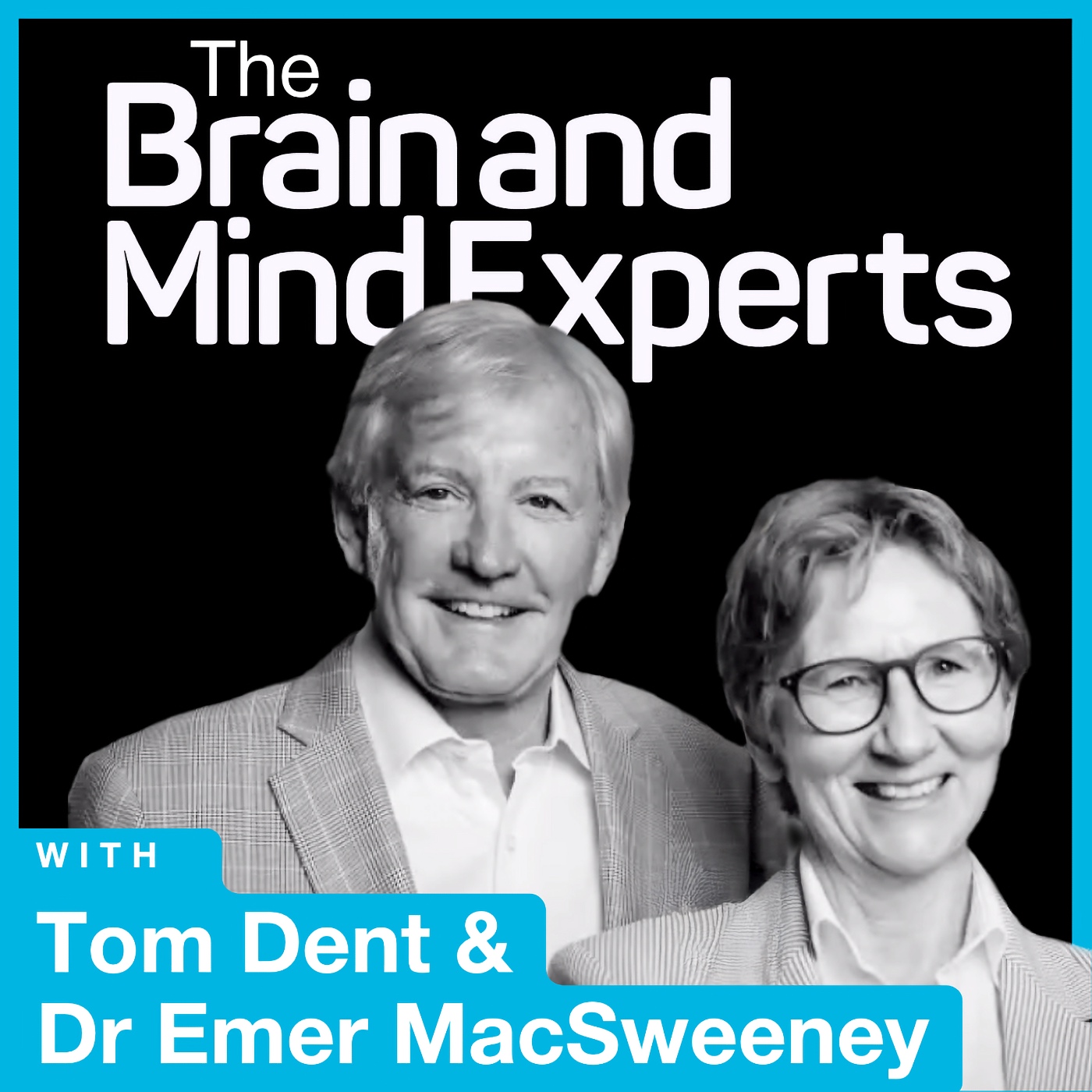
Episode Participants
Hosts
Dr. Emer MacSweeney is a Consultant Neuroradiologist and CEO of Re:Cognition Health, specializing in early diagnosis and treatment of Alzheimer's and dementia.
Tom Dent, a recognized healthcare leader, is the Executive Chairman of Re:Cognition Health. He has built valued healthcare companies in the US and UK. Dent is also the Chairman/CEO of USA based urgent care company-Urgent Team, and the Lead Director for HealthStream (NASDQ), a leading provider of workforce, patient experience, and provider solutions.