 Visit our USA website

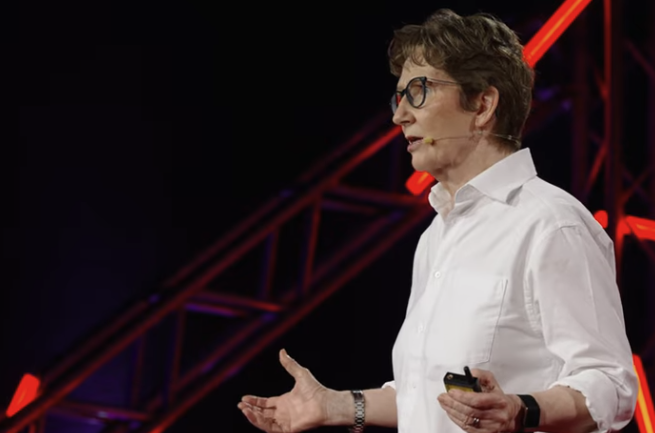
In her compelling TEDx Athens Salon talk, delivered as part of the TEDx Global Idea Search, Dr Emer MacSweeney, CEO and Consultant Neuroradiologist at Re:Cognition Health, presented a striking reality about modern health and longevity: today, our brains are often dying before our bodies.
While advances in medicine mean we are living longer than ever before, neurodegenerative diseases such as Alzheimer’s disease and Chronic Traumatic Encephalopathy (CTE) threaten the quality of those later years. Cognitive decline, memory loss and behavioural changes can emerge while the rest of the body remains physically strong.
Drawing on powerful case studies and emerging neuroscience, Dr MacSweeney explained how a new understanding of brain biology is transforming both the diagnosis and treatment of degenerative brain disease – offering real hope for prevention and intervention.
Brain 1 and Brain 2: Understanding the Brain’s Dual System
One of the most fascinating insights from Dr MacSweeney’s talk is the concept that the brain operates as two interdependent systems, working together to preserve cognitive health.
Brain 1: The Cognitive Brain
Brain 1 is what most people traditionally think of as the brain. It is composed primarily of neurons and is responsible for functions including:
- Memory and learning
- Thinking and decision-making
- Movement and coordination
- Language and communication
Although essential, Brain 1 is relatively fragile and metabolically demanding. Neurons require constant nourishment and protection in order to function properly.
Brain 2: The Brain’s Protective System
Brain 2 is the support and defence network that protects Brain 1.
This system ensures that neurons receive the nutrients they need while also removing harmful substances that could damage brain cells. It performs this role through two key mechanisms:
1. The Policing System – The Blood-Brain Barrier
The Blood-brain barrier acts as a highly selective protective shield. It regulates what can enter the brain from the bloodstream, preventing toxins, pathogens and inflammatory molecules from causing damage.
2. The Housekeeping System – The Brain’s Immune Cells
Specialised cells within the brain act as a clean-up crew, identifying and removing waste products, damaged proteins and cellular debris. Among the most important substances cleared by this system are amyloid and tau proteins, both strongly linked to neurodegenerative disease.
When Brain 2 functions effectively, Brain 1 remains healthy. However, when Brain 2 becomes overwhelmed or impaired, toxic proteins begin to accumulate — leading to the gradual destruction of neurons.
When the System Breaks Down
Dr MacSweeney illustrated this process through two powerful real-world examples: one linked to sport-related brain trauma, and the other to age-related neurodegeneration.
Zack Easter: Chronic Traumatic Encephalopathy
Former American football player Zack Easter experienced repeated head impacts during his sporting career.
At first, his protective Brain 2 systems were able to manage the damage. But over time, repeated trauma triggered the accumulation of abnormal tau proteins, which gradually destroyed neurons in Brain 1.
This progressive damage ultimately led to Chronic Traumatic Encephalopathy, a devastating degenerative brain condition associated with memory loss, behavioural changes and depression. Zack Easter tragically died at the age of just 24.
His case highlights the profound neurological consequences that repetitive brain injury can have, even in young and otherwise healthy individuals.
Stanley Arthur: Alzheimer’s Disease
The second case discussed was Stanley Arthur, whose story represents the more familiar path of age-related neurodegeneration.
Over decades, everyday risk factors such as ageing, inflammation and lifestyle factors gradually placed increasing strain on Brain 2. Eventually, the system could no longer effectively clear harmful proteins.
The accumulation of amyloid plaques and tau tangles led to the progressive death of neurons in Brain 1, resulting in Alzheimer’s disease and the development of dementia.
Together, these two cases illustrate how very different triggers — traumatic injury and long-term biological stress — can ultimately lead to the same devastating outcome: the gradual loss of brain cells and cognitive function.
Breakthroughs in Alzheimer’s Treatment
Despite the challenges posed by neurodegenerative disease, Dr MacSweeney emphasised that the field is entering an extraordinary new era of treatment and early detection.
Two recently developed medications represent historic advances in Alzheimer’s therapy:
- Leqembi
- Kisunla
These treatments work by targeting the biological mechanisms behind Alzheimer’s disease, helping Brain 2 remove toxic amyloid proteins from the brain.
Rather than simply treating symptoms, these drugs aim to slow the progression of the disease itself, preserving cognitive function for longer.
At Re:Cognition Health clinics, hundreds of patients are already receiving these treatments as part of private practice and similar modes of treatments are being delivered through clinical trials.
In parallel, young athletes affected by Chronic Traumatic Encephalopathy are beginning to receive therapies designed to remove harmful tau proteins, offering hope for conditions that were once considered untreatable.
The Power of Early Detection
One of the most transformative developments in neuroscience is the emergence of biomarker testing.
Advanced diagnostics can now detect abnormal levels of amyloid and tau proteins years — sometimes decades — before symptoms appear.
This early insight allows doctors to:
- Identify individuals at risk of Alzheimer’s disease
- Begin preventative treatments earlier
- Monitor disease progression more accurately
- Personalise treatment strategies
Dr MacSweeney emphasised that memory loss should never be dismissed as a normal part of ageing. Early investigation and diagnosis are crucial for accessing the most effective therapies.
Protecting Your Brain Today
While new medications are transforming treatment, lifestyle choices remain a powerful tool for protecting long-term brain health.
Dr MacSweeney highlighted several evidence-based habits that support cognitive resilience:
- Balanced nutrition, particularly diets rich in whole foods and healthy fats
- Regular physical exercise, which improves blood flow to the brain
- High-quality sleep, allowing the brain’s cleaning systems to function effectively
- Mental stimulation, including reading, learning and problem-solving
- Strong social connections, which are linked to improved cognitive longevity
- Together, these behaviours support the health of Brain 2 — the system responsible for protecting the brain’s neurons.
A New Era for Brain Longevity
Dr MacSweeney concluded her talk with a hopeful message about the future of neuroscience.
For decades, neurodegenerative diseases were seen as inevitable consequences of ageing. Today, that perception is rapidly changing.
With the combination of early biomarker testing, innovative medications and preventative lifestyle strategies, researchers and clinicians are beginning to shift the trajectory of brain health.
As Dr MacSweeney explained:
“We are on the brink of a whole new future where true longevity is possible — when our brains will not die before our bodies.”
This vision represents one of the most important medical challenges of the 21st century: ensuring that longer lives are not only possible, but lived with clarity, memory and independence.
Watch the full TEDx talk here: A Breakthrough in Treating Degenerative Brain Diseases. Dr Emer MacSweeney